Essential Tips for Choosing Color Palettes in Interiors
Choosing the right color palette for your interior spaces can be a daunting task. The colors you select can dramatically influence the mood, style, and functionality of a room. Whether you are redecorating a single room or planning an entire home renovation, understanding how to choose the right colors is essential. This guide will provide you with practical tips and insights to help you create a harmonious and inviting atmosphere in your interiors.

Understanding Color Theory
Before diving into the selection process, it's important to grasp the basics of color theory. Color theory is the foundation of how colors interact with each other and how they can be combined to create pleasing aesthetics.
The Color Wheel
The color wheel is a visual representation of colors arranged according to their chromatic relationship. It consists of primary, secondary, and tertiary colors:
Primary Colors: Red, blue, and yellow. These colors cannot be created by mixing other colors.
Secondary Colors: Green, orange, and purple. These are formed by mixing primary colors.
Tertiary Colors: Created by mixing a primary color with a secondary color.
Understanding the color wheel helps in creating color schemes that are visually appealing.
Color Schemes
There are several color schemes you can use to guide your choices:
Monochromatic: Variations of a single color. This scheme creates a cohesive and serene look.
Analogous: Colors that are next to each other on the color wheel. This scheme is harmonious and pleasing to the eye.
Complementary: Colors that are opposite each other on the color wheel. This scheme creates a vibrant contrast.
Triadic: Three colors that are evenly spaced around the color wheel. This scheme is dynamic and colorful.
Assessing Your Space
Before selecting a color palette, assess the space you are working with. Consider the following factors:
Natural Light
The amount of natural light a room receives can significantly affect how colors appear. Rooms with ample sunlight may benefit from lighter colors, while darker spaces may require brighter hues to create a sense of warmth and openness.
Room Function
Different rooms serve different purposes, and the color palette should reflect that. For example:
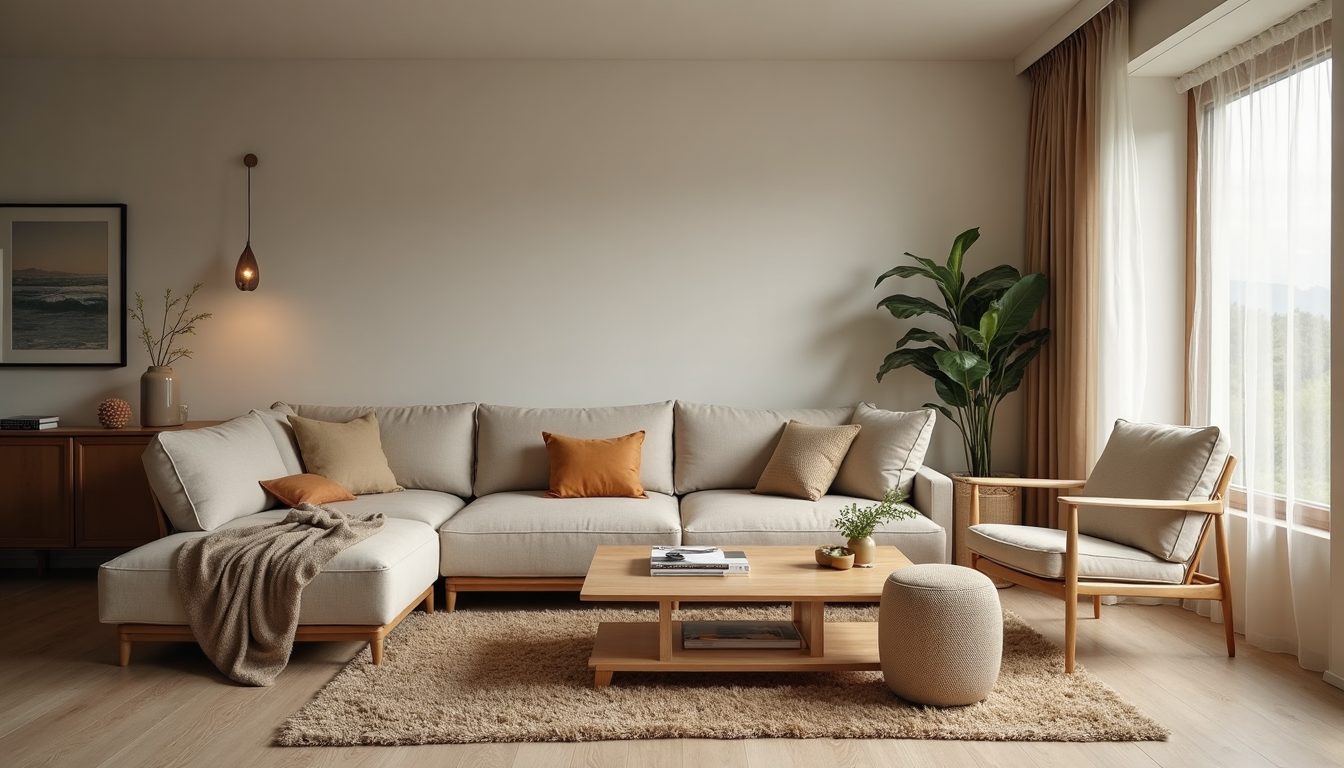
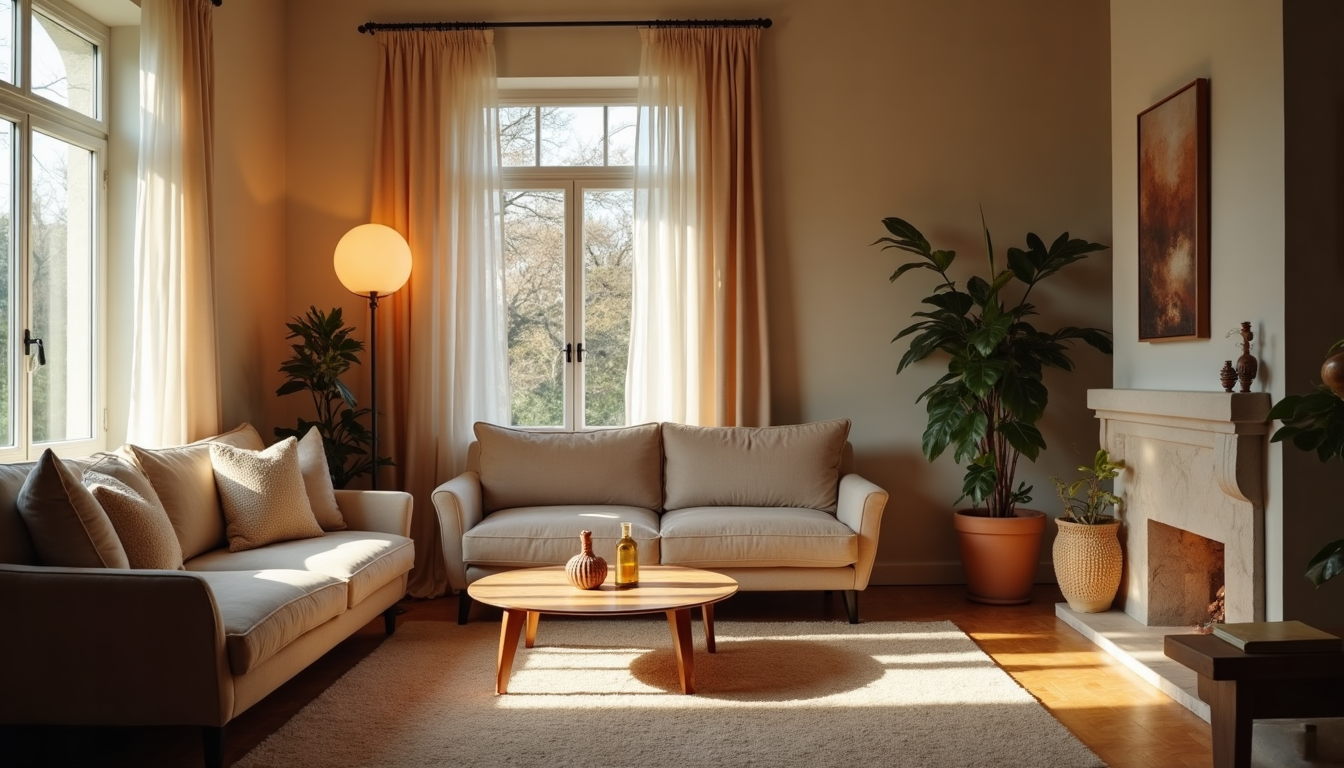
Living Rooms: Warm and inviting colors like soft yellows or earthy tones can create a welcoming atmosphere.
Bedrooms: Cool colors like blues and greens promote relaxation and tranquility.
Kitchens: Bright and cheerful colors like whites and light greens can stimulate appetite and energy.
Existing Elements
Take into account any existing furniture, flooring, or architectural features. Your color palette should complement these elements rather than clash with them.
Choosing a Color Palette
Now that you have a grasp of color theory and have assessed your space, it’s time to choose a color palette. Here are some tips to guide you:
Start with a Base Color
Select a base color that will dominate the space. This color should reflect the mood you want to create. For example, a soft beige can create a warm and inviting atmosphere, while a cool gray can evoke a modern and sophisticated feel.
Add Accent Colors
Once you have your base color, choose one or two accent colors that complement it. These colors can be used for smaller elements like cushions, artwork, or decorative items. For instance, if your base color is a soft blue, consider adding accents of coral or mustard for a pop of color.
Test Samples
Before committing to a color, test samples on your walls. Paint a small section and observe how the color changes throughout the day with different lighting. This step is crucial to ensure you are happy with your choice.
Consider Texture
Texture can influence how colors are perceived. Matte finishes absorb light, while glossy finishes reflect it. Incorporate various textures in your space to add depth and interest to your color palette.
Creating a Cohesive Look
To achieve a cohesive look throughout your home, consider the following strategies:
Flow Between Rooms
Choose colors that flow from one room to another. This doesn’t mean every room has to be the same color, but they should complement each other. For example, if your living room features warm beige, consider a soft taupe for the adjacent dining room.
Use Neutrals Wisely
Neutrals can serve as a bridge between bold colors. They can help balance out vibrant hues and create a sense of calm. Use neutral colors for larger surfaces like walls and larger furniture pieces, while reserving brighter colors for accents.
Create Focal Points
Use color to create focal points in your space. This could be a feature wall painted in a bold color or a piece of artwork that draws the eye. Focal points can add interest and character to your interiors.
Practical Tips for Specific Rooms
Living Room
Color Choice: Consider warm tones like terracotta or soft greens.
Accent Colors: Use cushions and throws in contrasting colors to add depth.
Lighting: Incorporate warm lighting to enhance the cozy atmosphere.
Bedroom
Color Choice: Opt for calming colors like soft blues or muted lavenders.
Accent Colors: Use darker shades for bedding or curtains to create a cozy feel.
Lighting: Soft, dimmable lighting can enhance relaxation.
Kitchen
Color Choice: Bright whites or light pastels can create a fresh look.
Accent Colors: Use vibrant colors for kitchen accessories or wall art.
Lighting: Bright, functional lighting is essential for cooking spaces.
Final Thoughts
Choosing the right color palette for your interiors is a blend of art and science. By understanding color theory, assessing your space, and considering the mood you want to create, you can make informed decisions that enhance your home’s aesthetic. Remember to test your colors, create a cohesive look, and have fun with the process.
With these essential tips, you are now equipped to transform your interiors into beautiful, inviting spaces that reflect your personal style. Happy decorating!
Comments